What The Latest Marriage Statistics Reveal About Modern Weddings Across Ireland
By Caroline | Legal Wedding Celebrant & Solemniser covering Northern Ireland & Ireland
Modern weddings across Ireland are changing. And honestly, I think it’s something really beautiful to witness. Recent marriage statistics released by both Ireland’s Central Statistics Office (CSO) and Northern Ireland Statistics & Research Agency (NISRA) reveal a growing shift toward personalised wedding ceremonies in Ireland and Northern Ireland, with more couples choosing flexible, meaningful celebrations that genuinely reflect who they are.
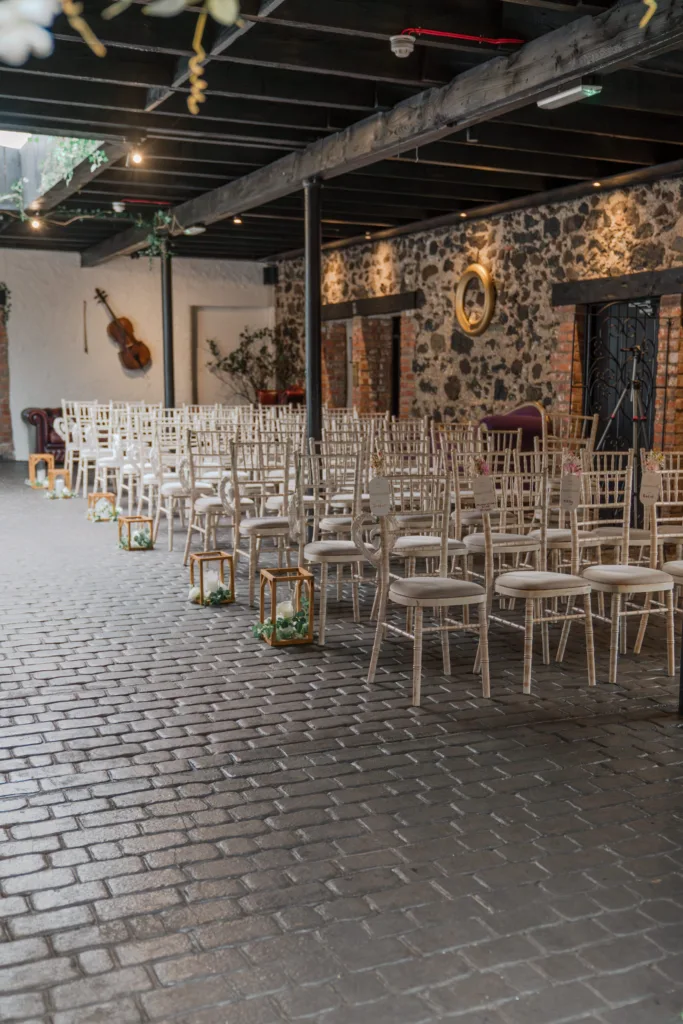
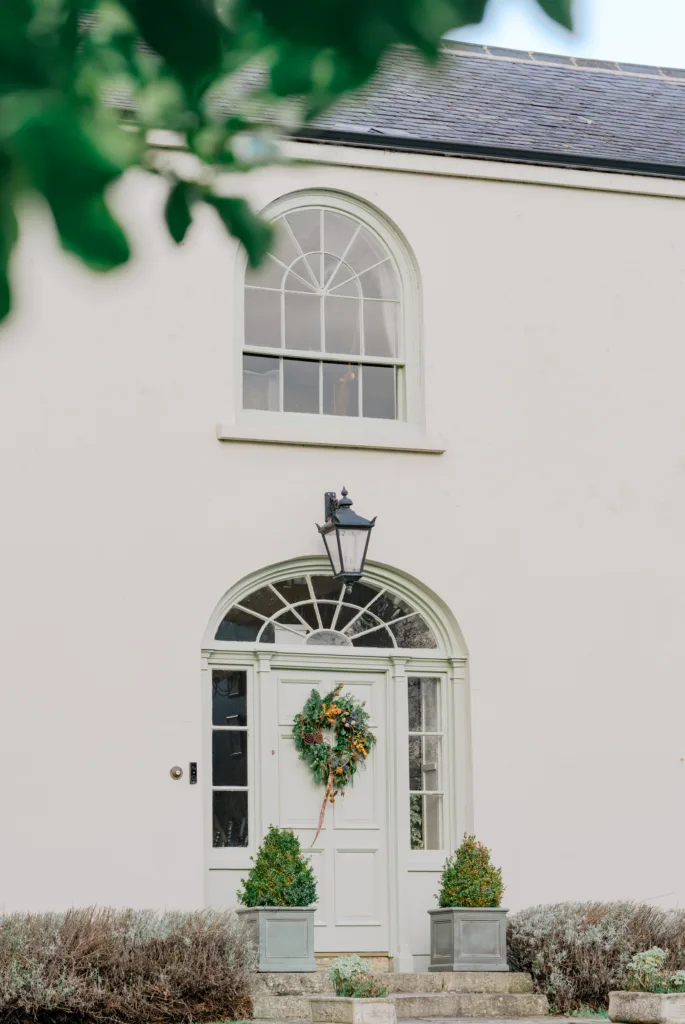
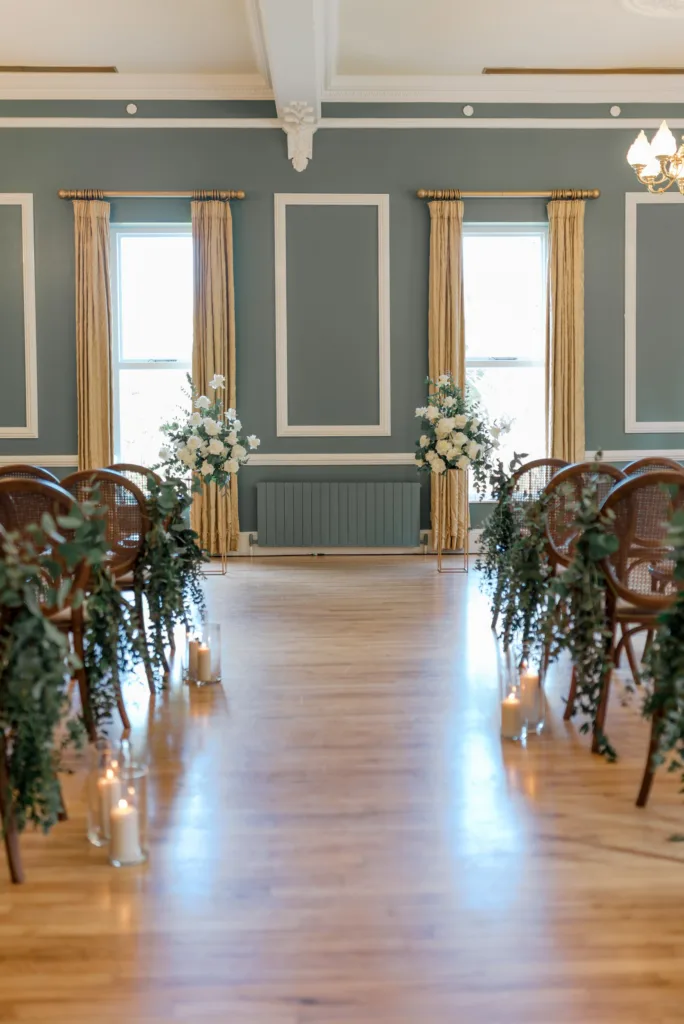
Across both jurisdictions, modern couples increasingly want wedding days that feel:
• personal
• relaxed
• emotionally meaningful
• less rigidly traditional
Less pressure. less performance & less “doing things because that’s how weddings have always been done.”
Instead, couples are prioritising:
• personalised ceremonies
• unique wedding venues
• emotional storytelling
• relaxed timelines
• guest experience
• freedom and flexibility
And as a legal wedding celebrant working across both Northern Ireland and Ireland, I absolutely love seeing that shift happen.
Because the best weddings are never the ones that follow a perfect formula.
They’re the weddings that feel real.
A Significant Shift In Irish Weddings
For the first time in recent Irish marriage statistics, civil ceremonies officially overtook Roman Catholic ceremonies as the most popular option for marriages between men & women..
In 2025:
• Civil ceremonies accounted for 32.7% of marriages between men & women.
• Roman Catholic ceremonies accounted for 30.8%
Just one year earlier, Roman Catholic ceremonies had still narrowly led the figures.
That may sound like a small statistical change, but culturally it feels hugely significant.
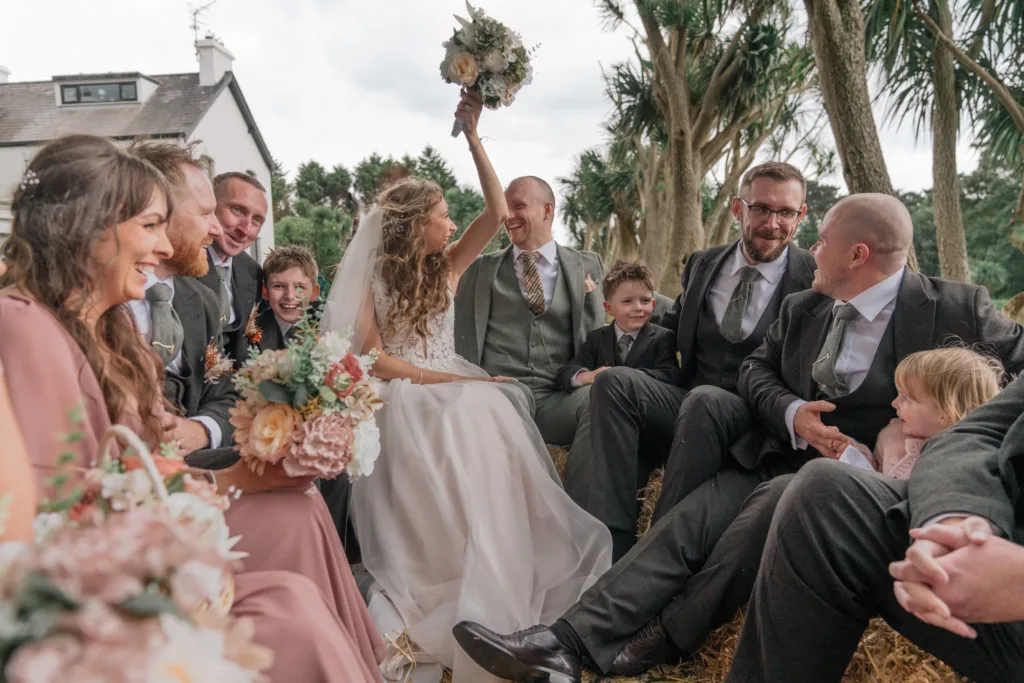
Modern couples increasingly want weddings that feel personal rather than traditional.
While civil ceremonies and celebrant-led legal weddings are not technically the same thing, both trends reflect a wider movement toward flexibility and personalisation.
Couples increasingly want freedom to create wedding ceremonies that feel emotionally authentic rather than simply formal. That growing demand for personalised wedding ceremonies in Ireland reflects a wider shift toward weddings that feel less traditional and more emotionally connected.
For some couples, that might mean:
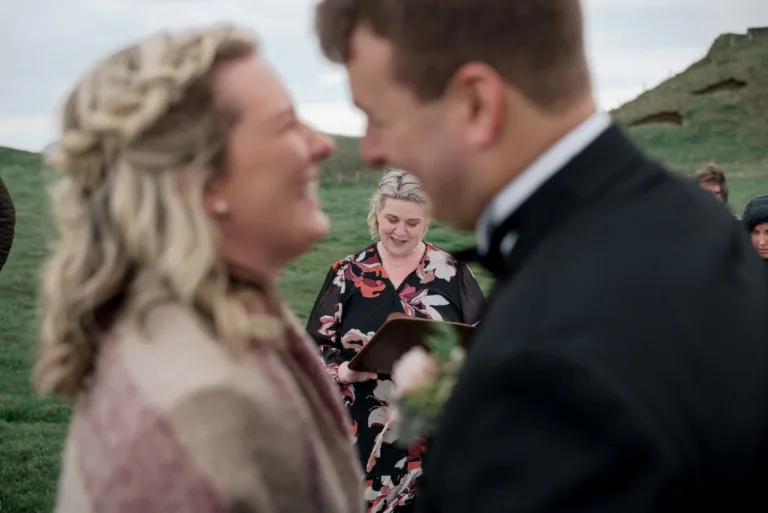
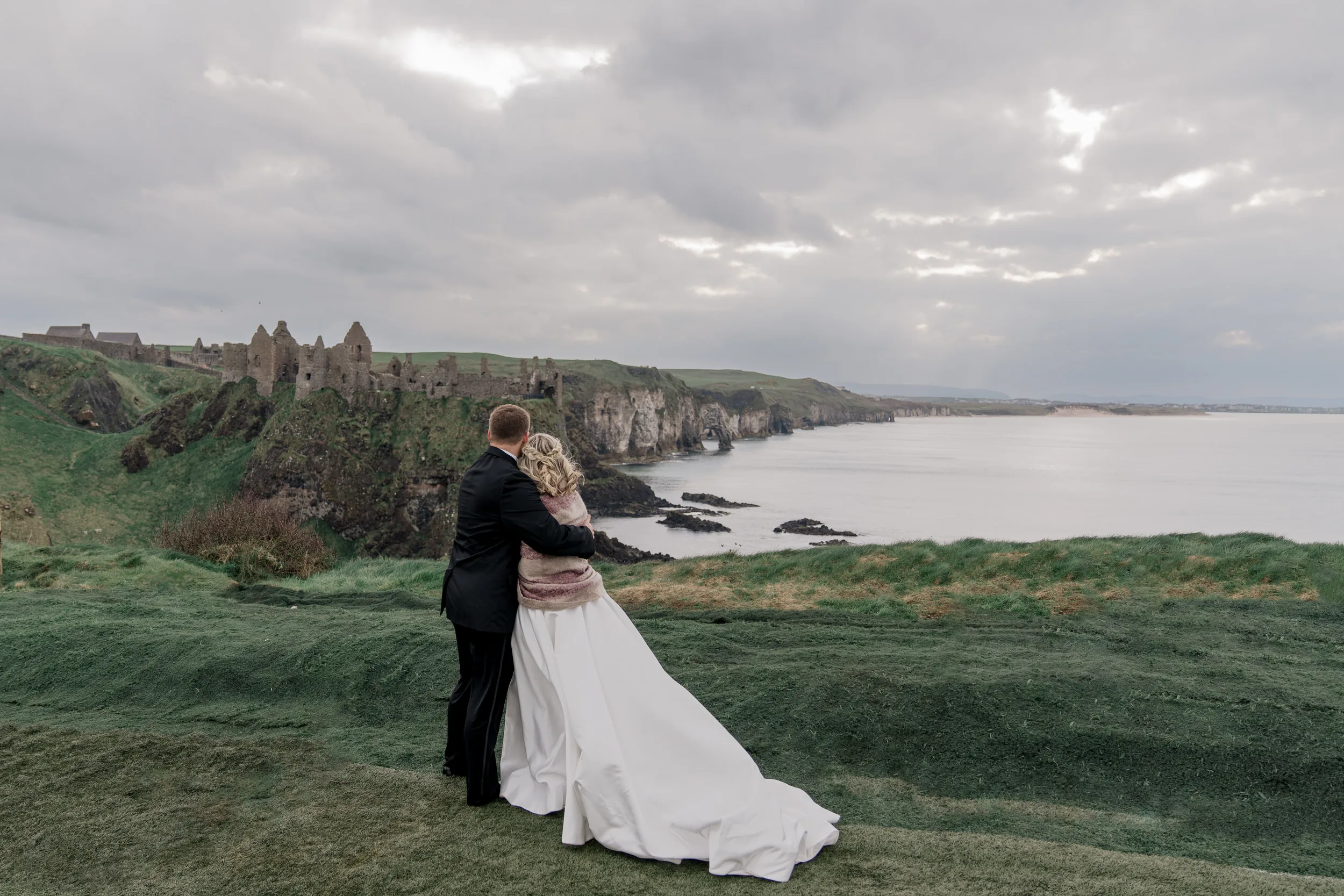
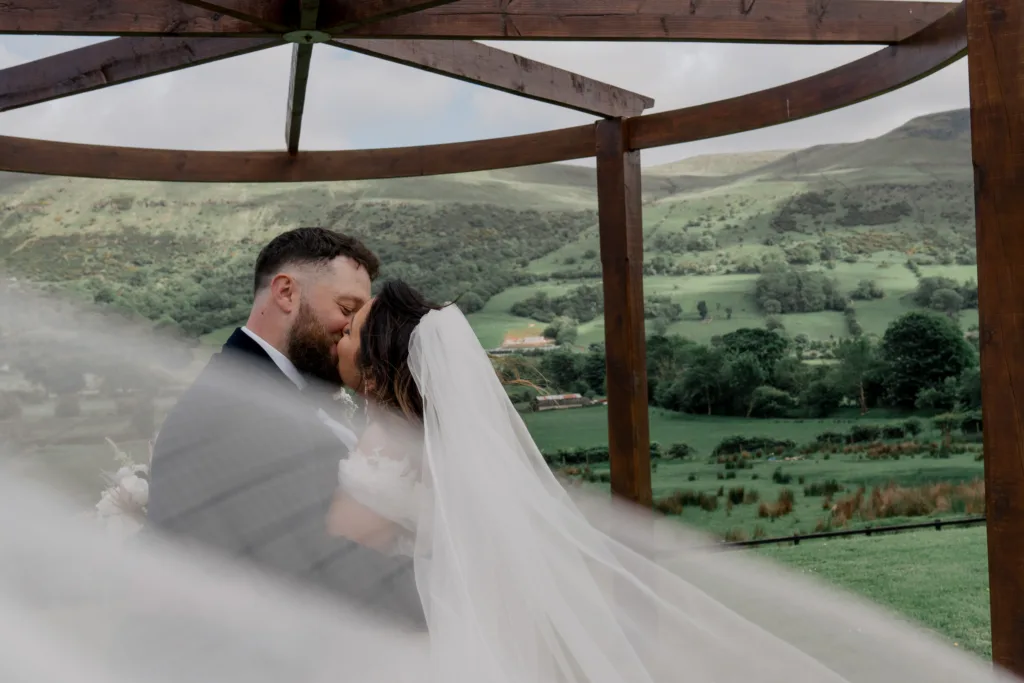
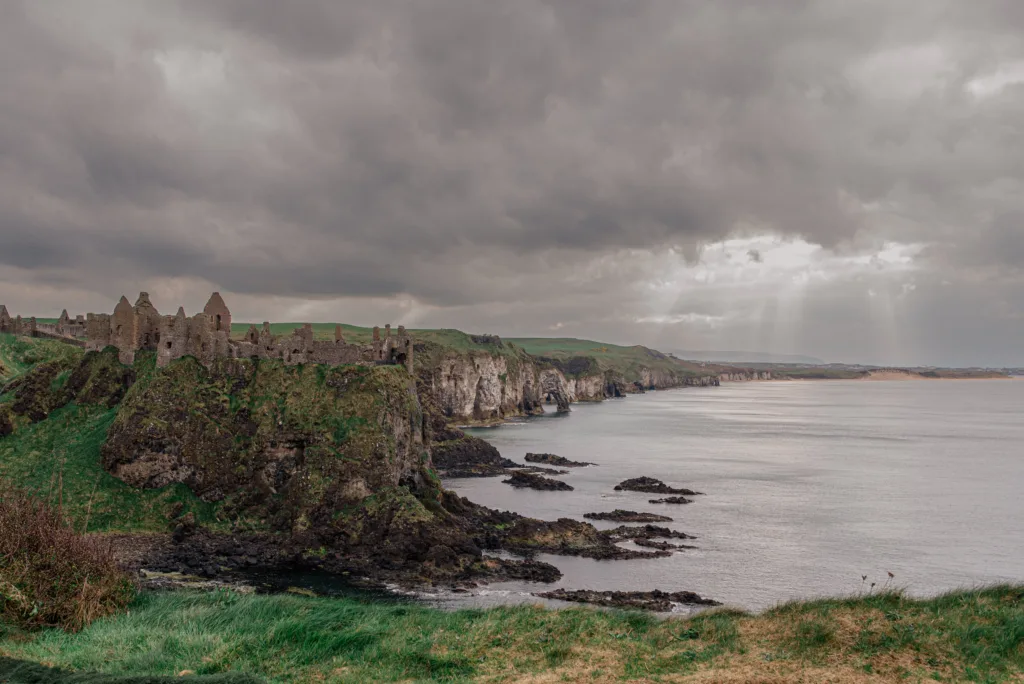
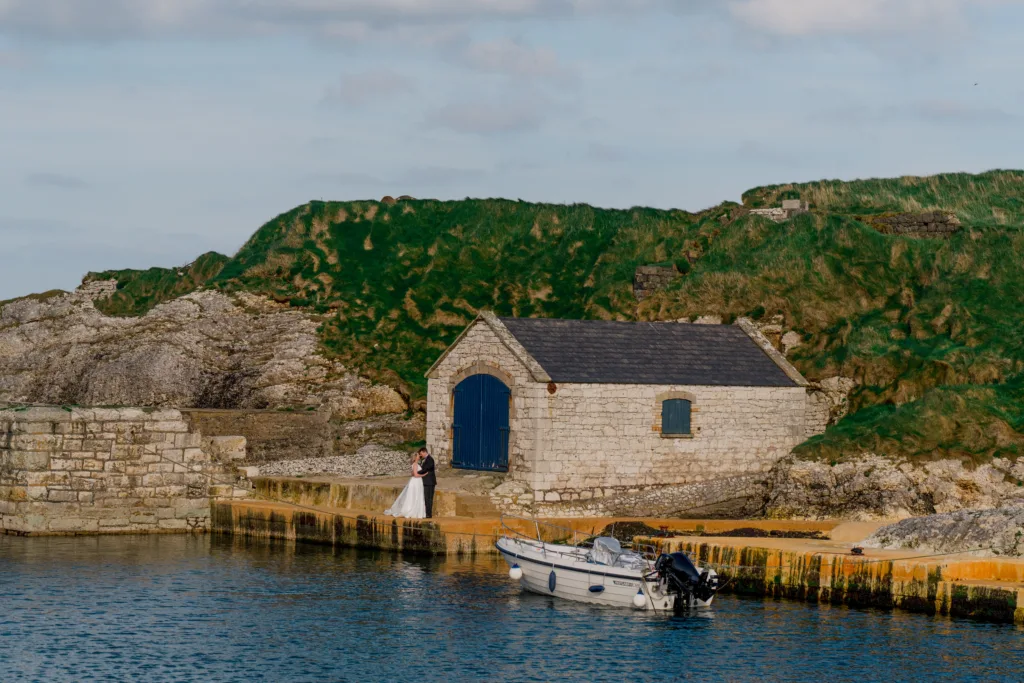
• an outdoor ceremony overlooking the sea
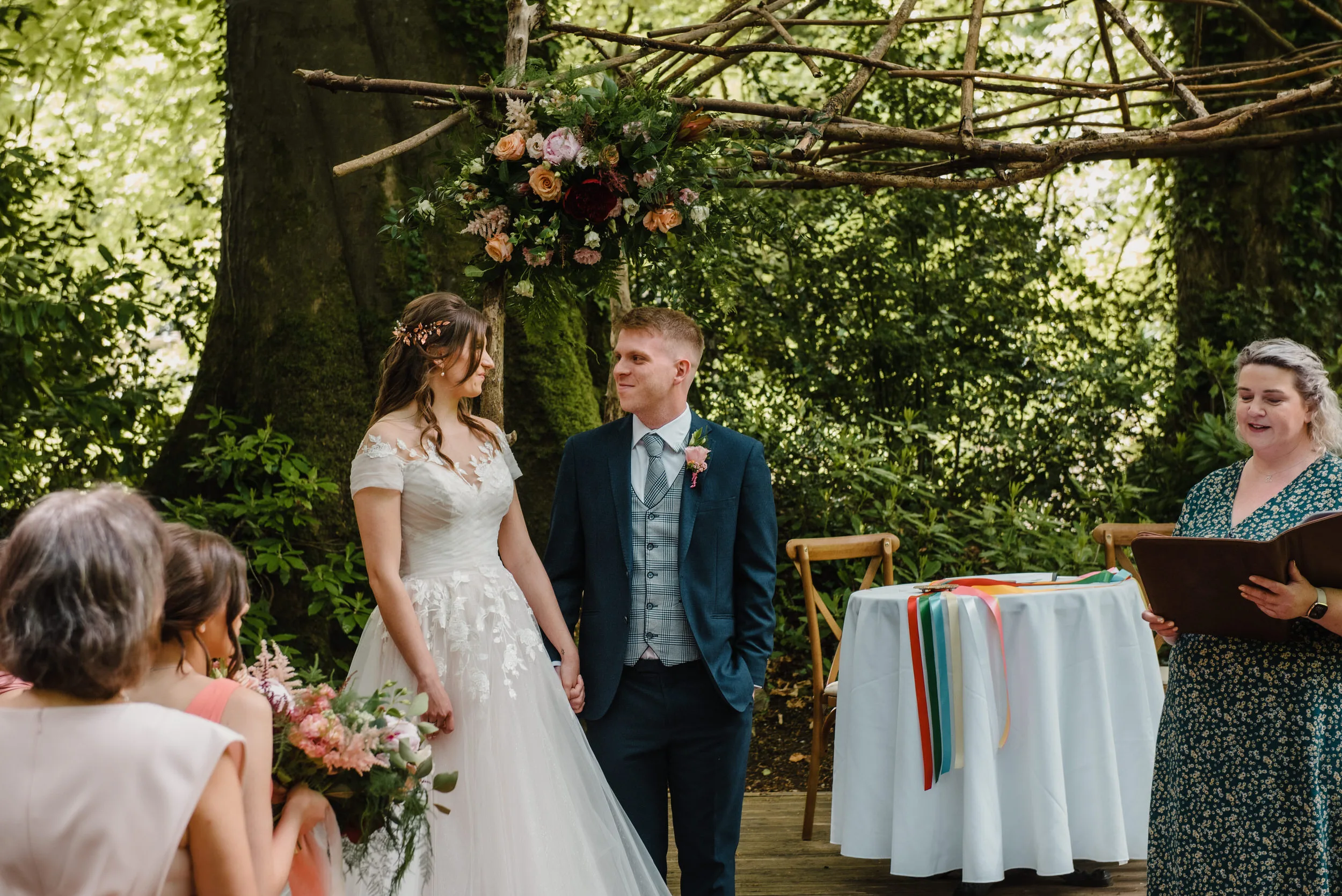
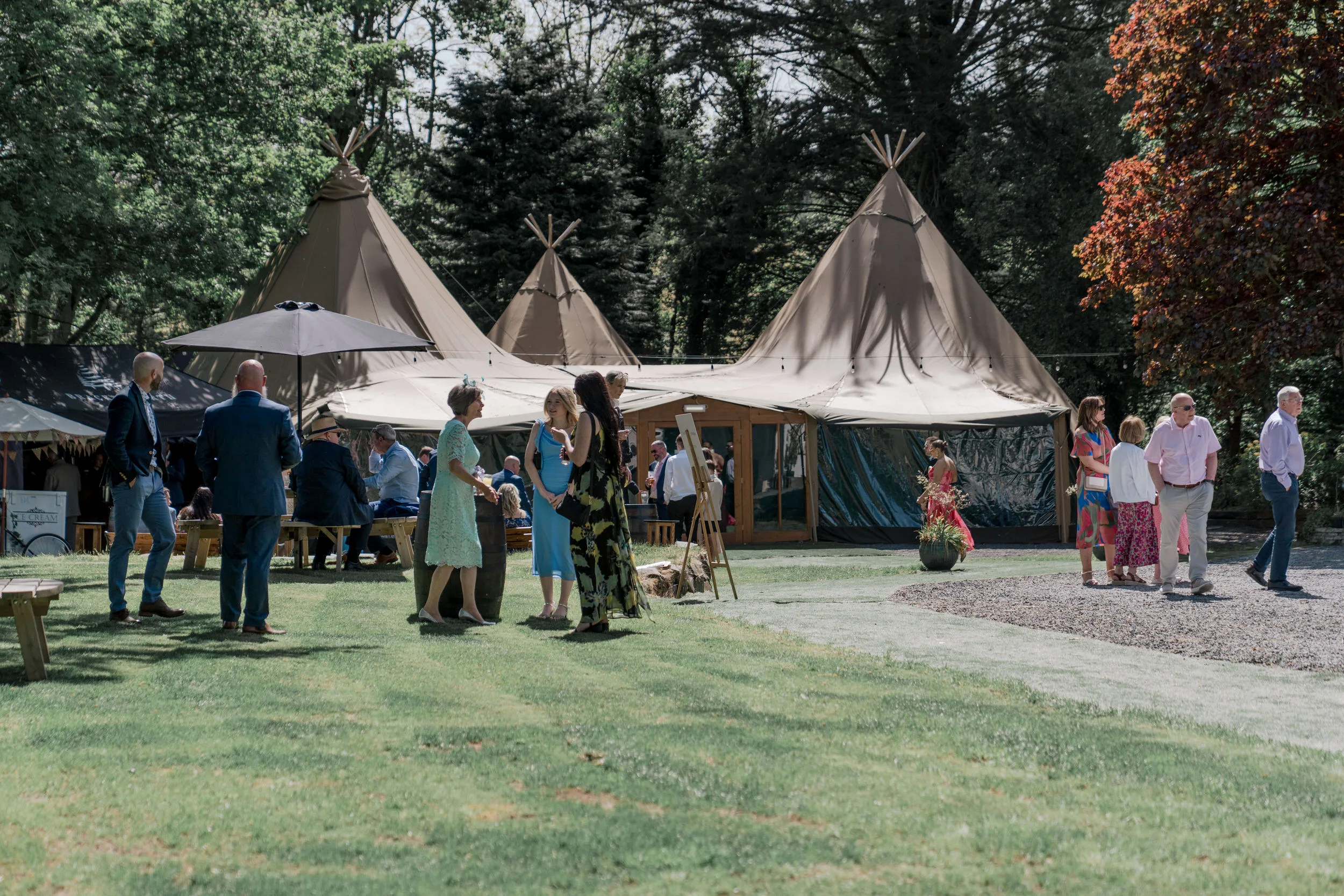
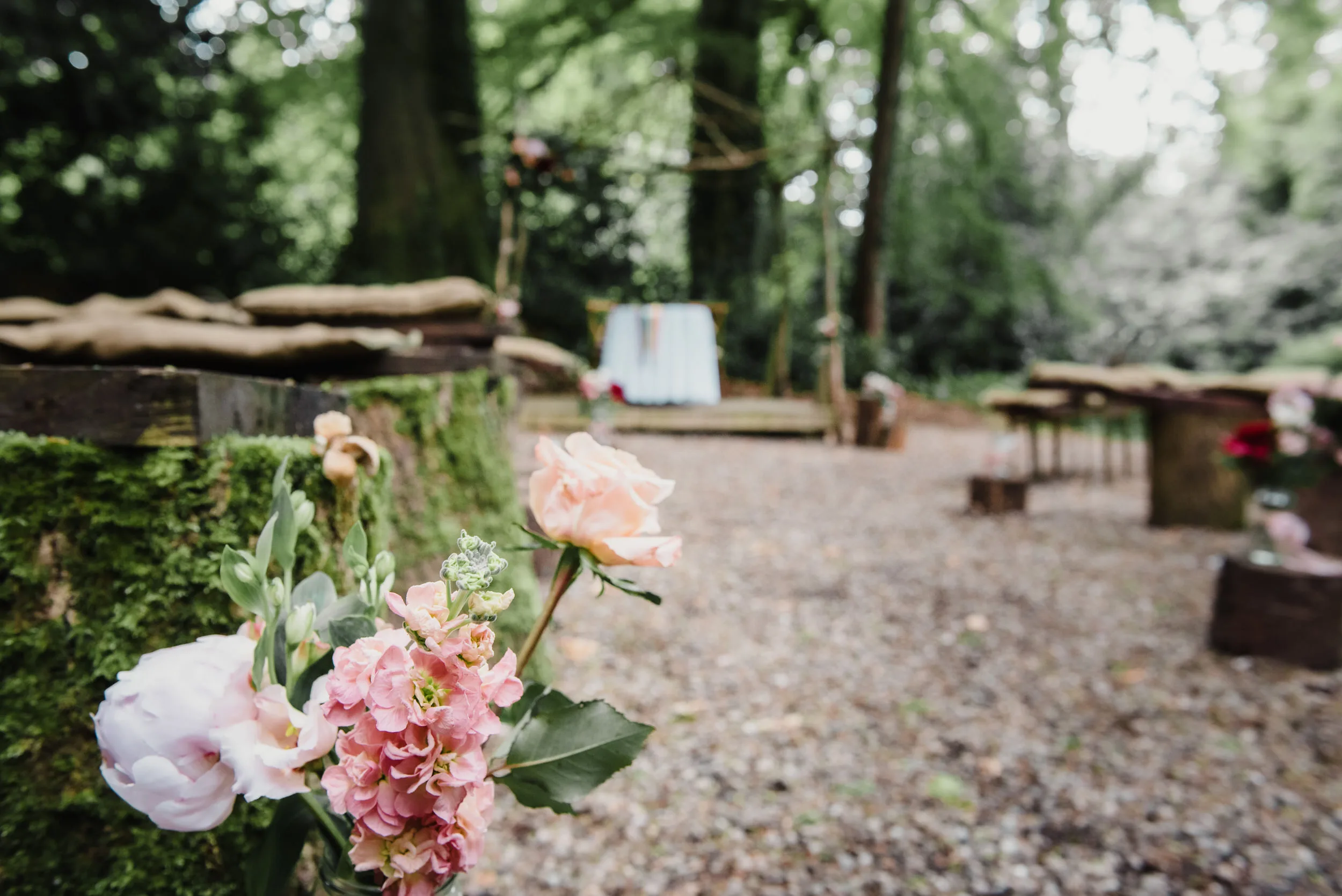
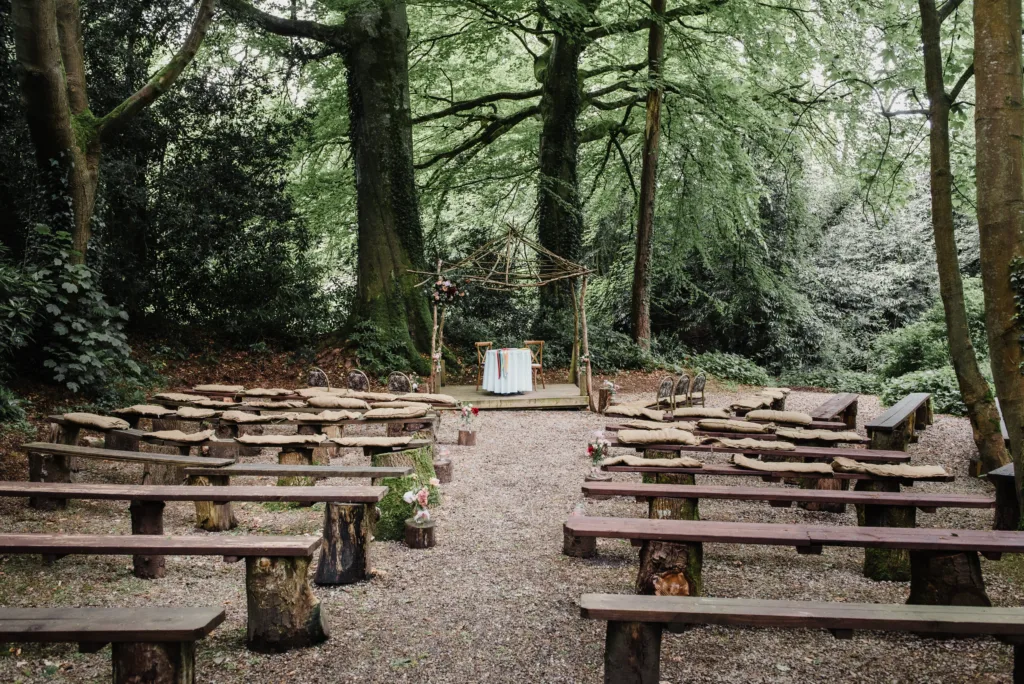
• a relaxed woodland wedding
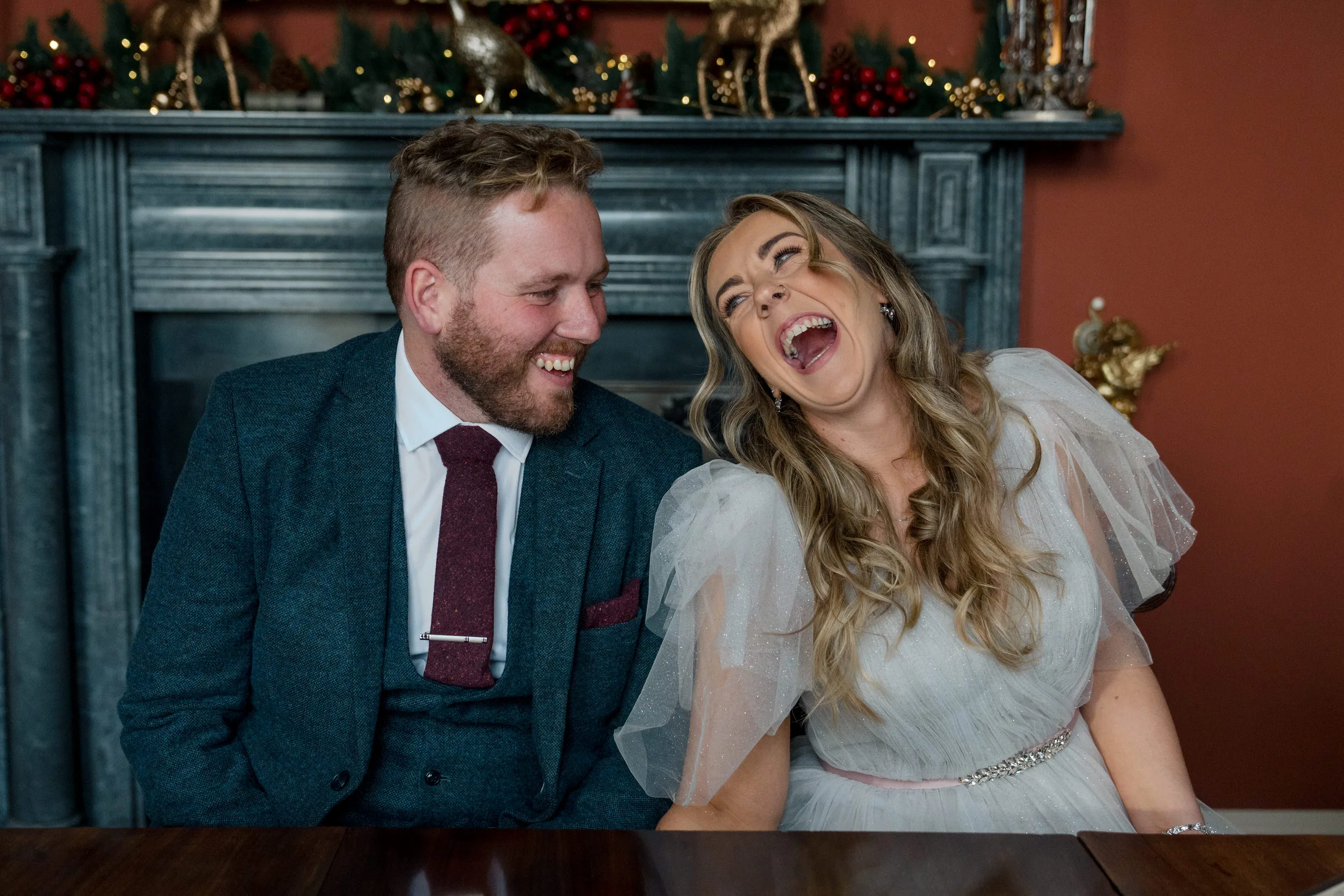
• personal vows
• involving children or pets
• rewriting outdated traditions
• creating a ceremony centred entirely around their story
And honestly, that’s exactly why celebrant-led weddings continue growing in popularity across both Ireland and Northern Ireland.
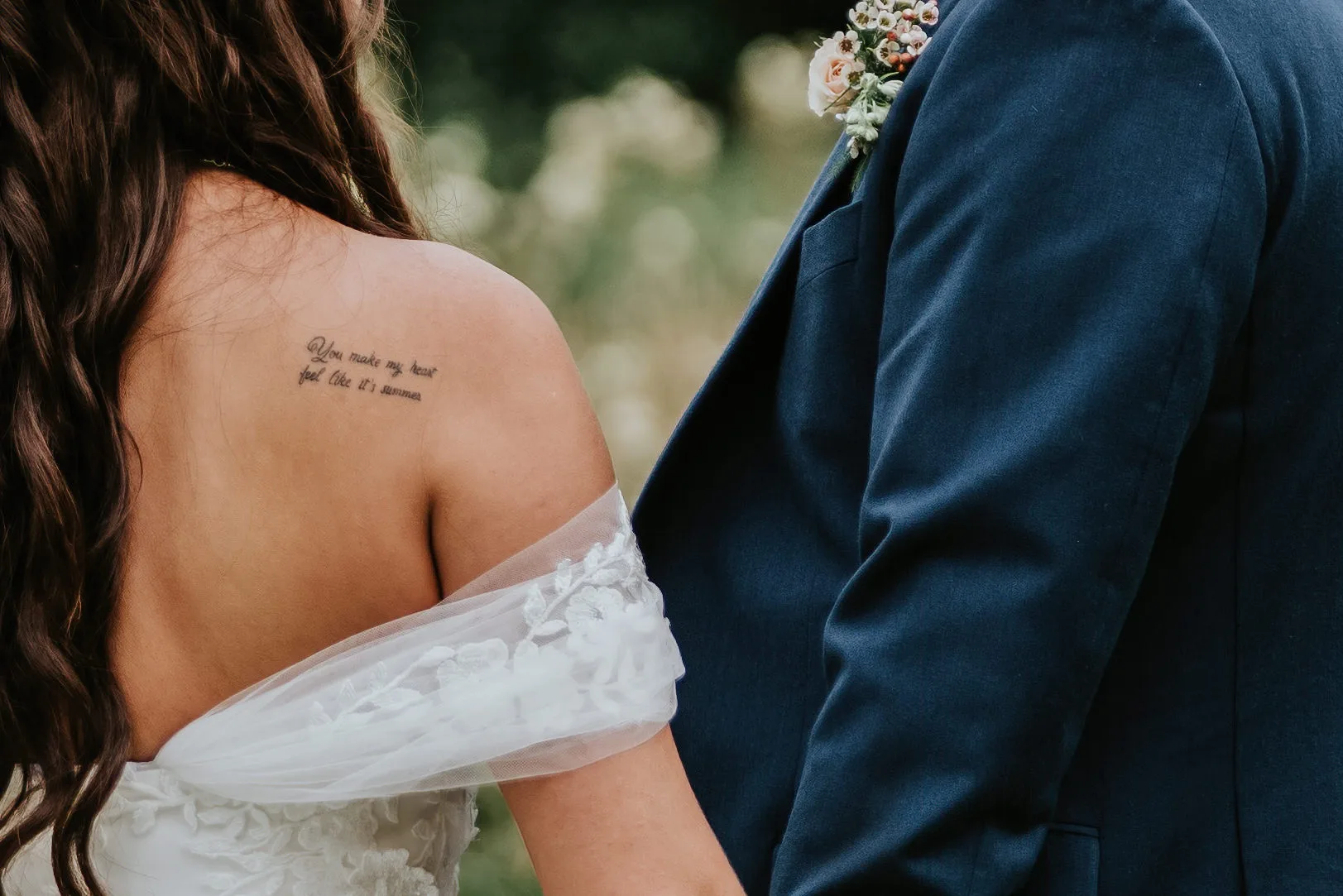
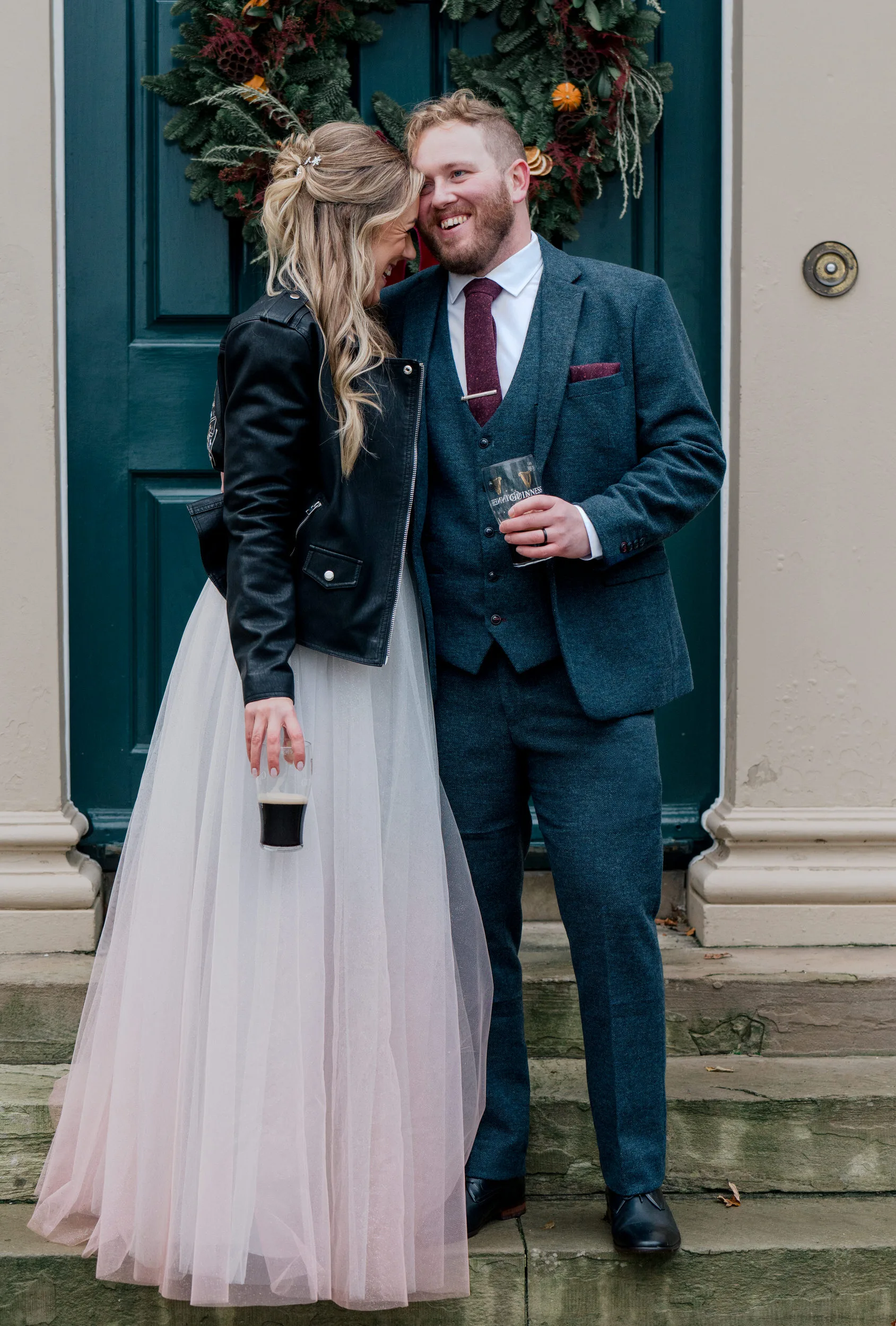
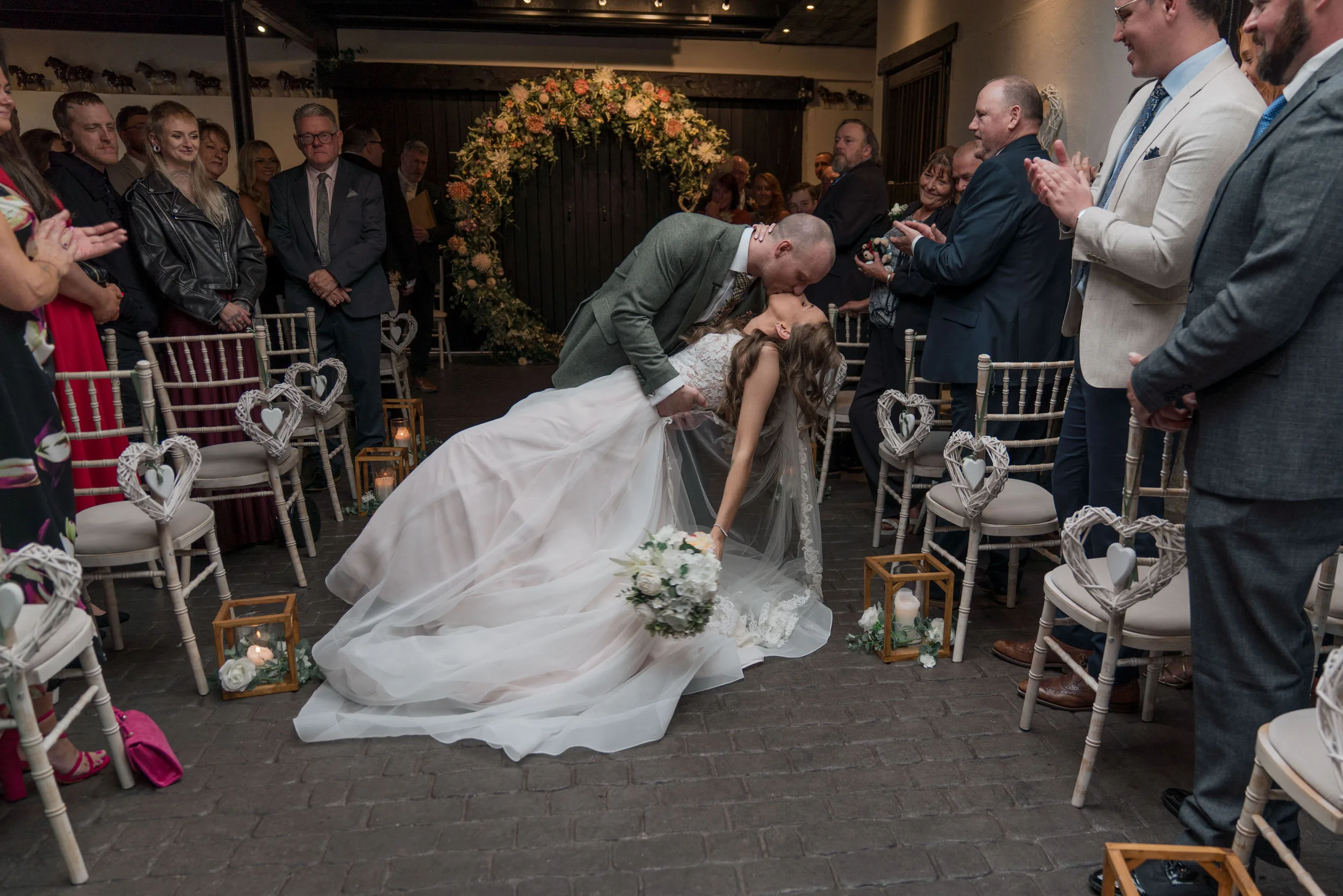
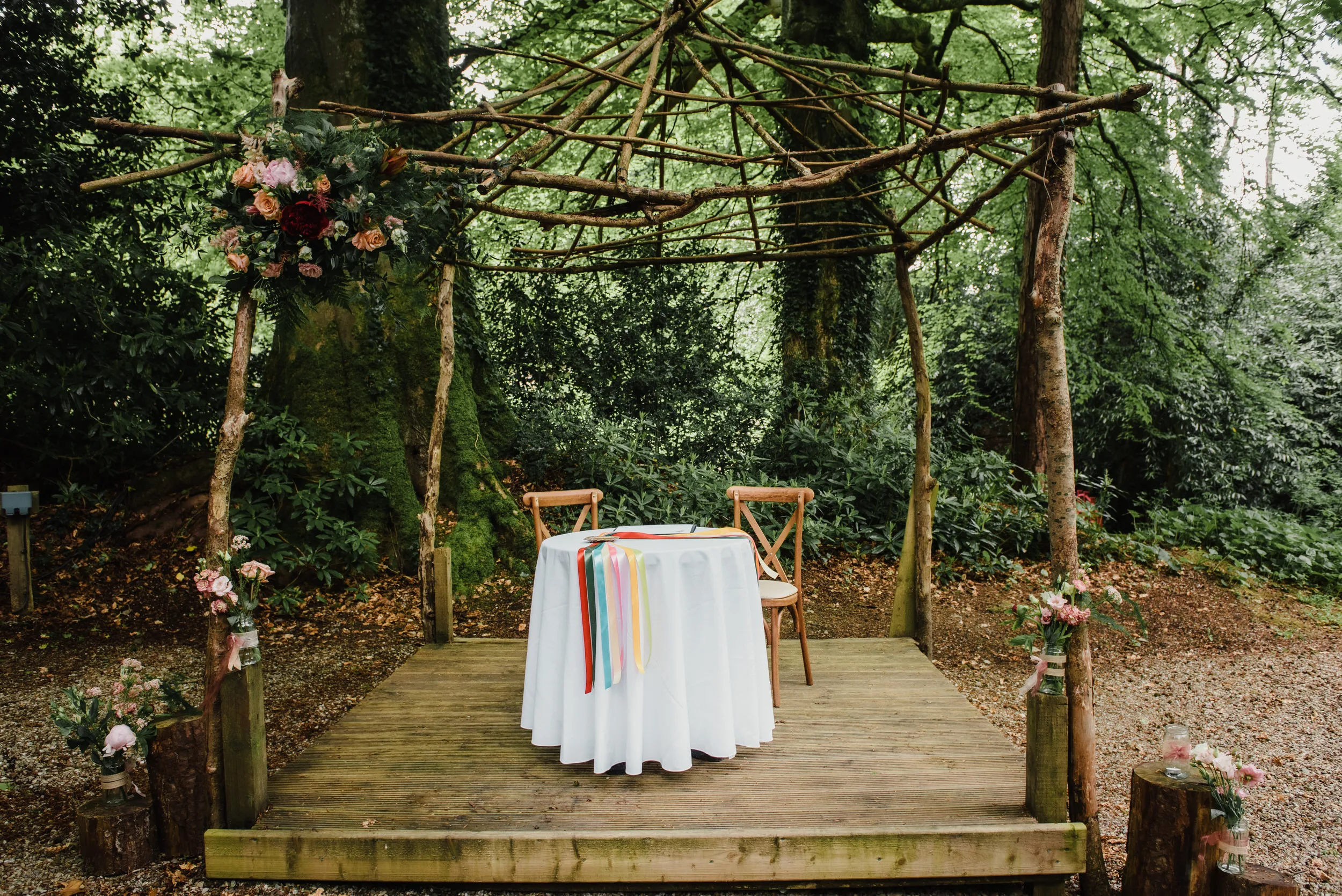
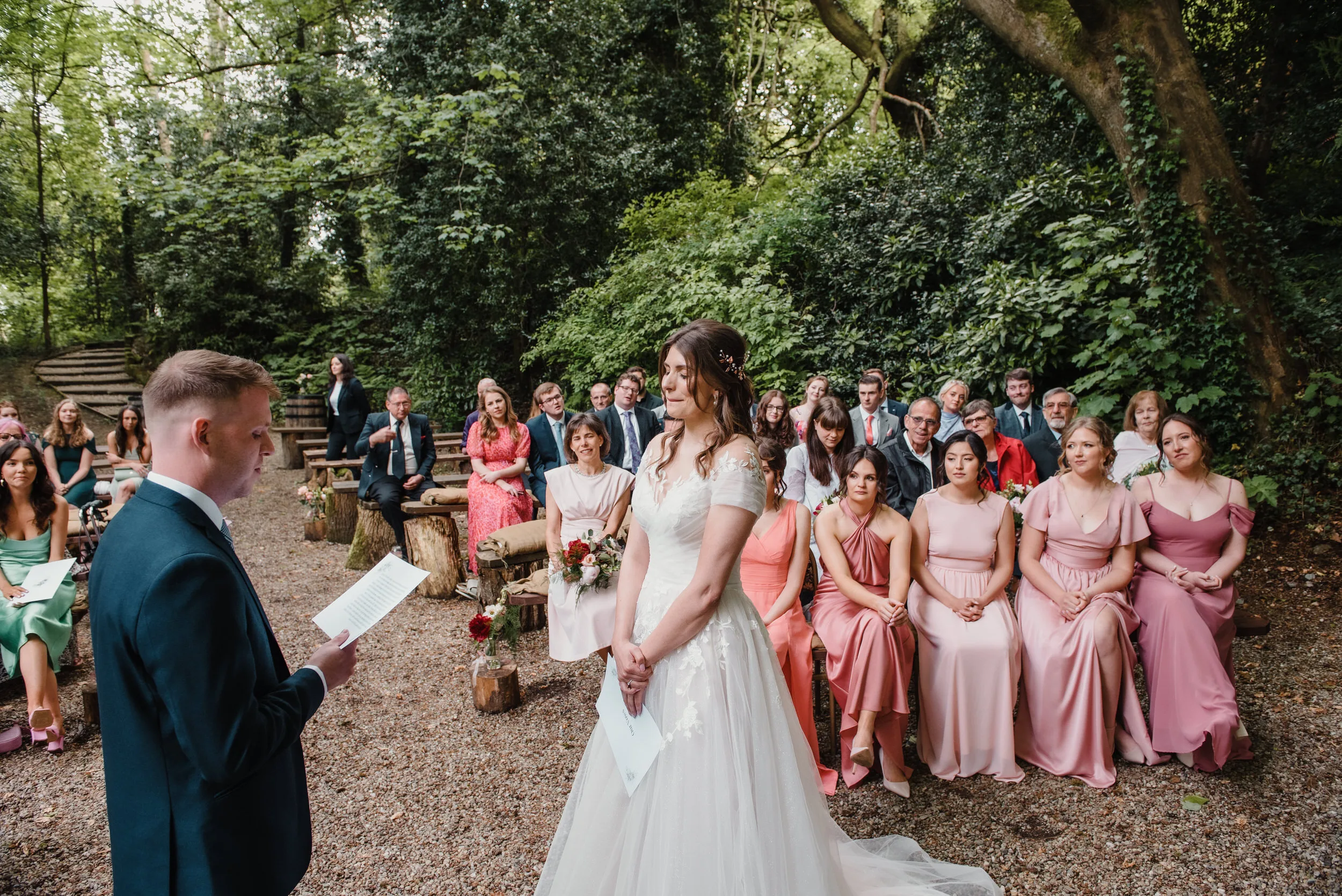
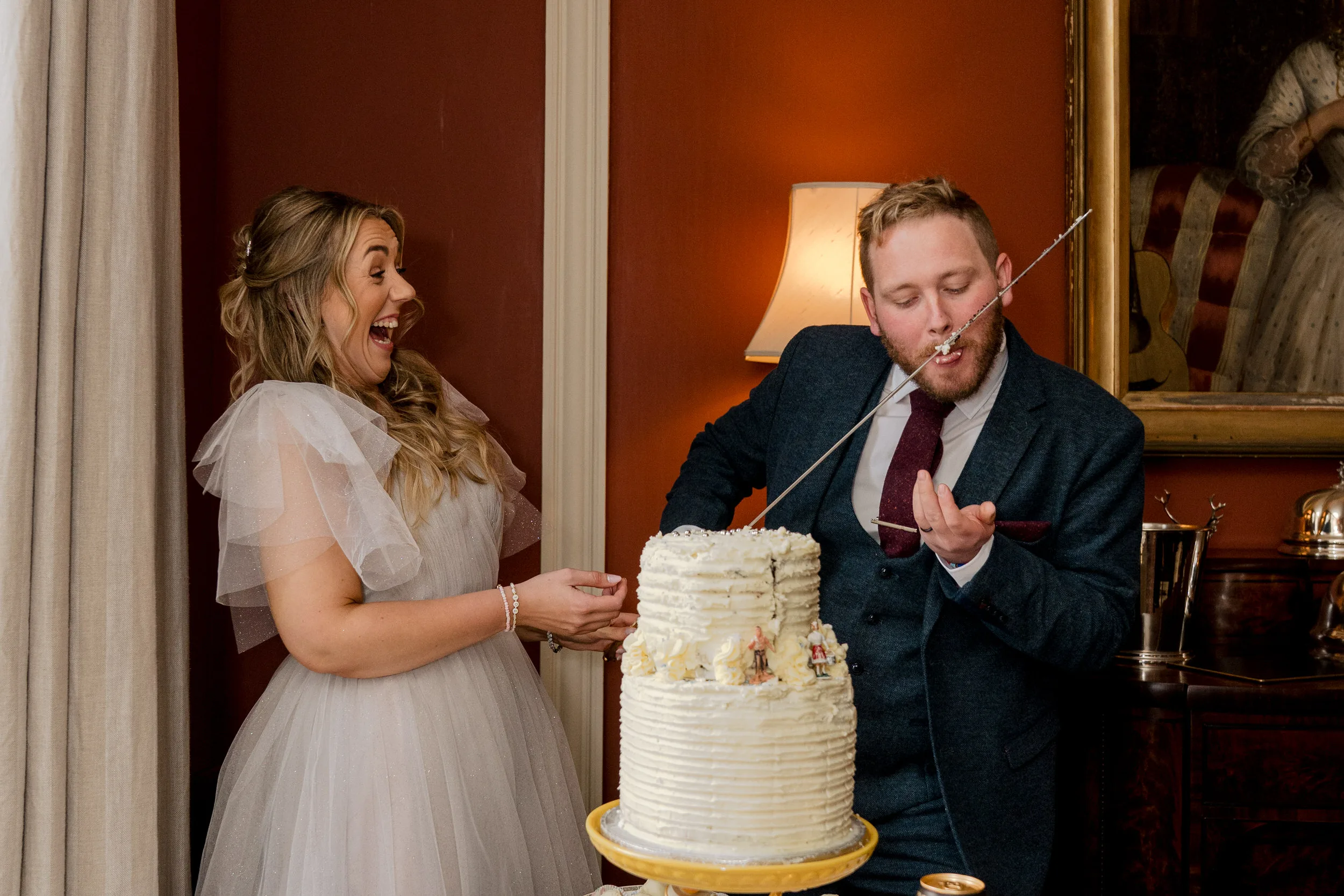
Why Personalised Wedding Ceremonies In Ireland Are Growing
One of the strongest themes running through both Irish and Northern Irish wedding trends is intentionality.
Modern couples are planning weddings differently than previous generations.
The statistics show couples are now marrying slightly later in life, with the average age for marriages between men & women in Ireland rising to:
• 38 years for men
• 36.1 years for women
And that shift changes weddings too.
Older couples often prioritise:
• atmosphere over formality
• guest experience over tradition
• emotional connection over expectation
• quality over quantity
They are often more financially established, more self aware, and more confident in creating wedding days that genuinely reflect them.
The ceremony itself is no longer simply the formal part before the party. For many couples, it has become the emotional heart of the wedding day.
Estate Weddings, Barn Venues & Outdoor Ceremonies Continue To Rise
As wedding ceremonies become more personalised, venue choices are evolving too.
Across Ireland and Northern Ireland, couples increasingly choose spaces that feel immersive, relaxed, and atmospheric rather than traditionally formal.
Popular modern wedding styles now include:
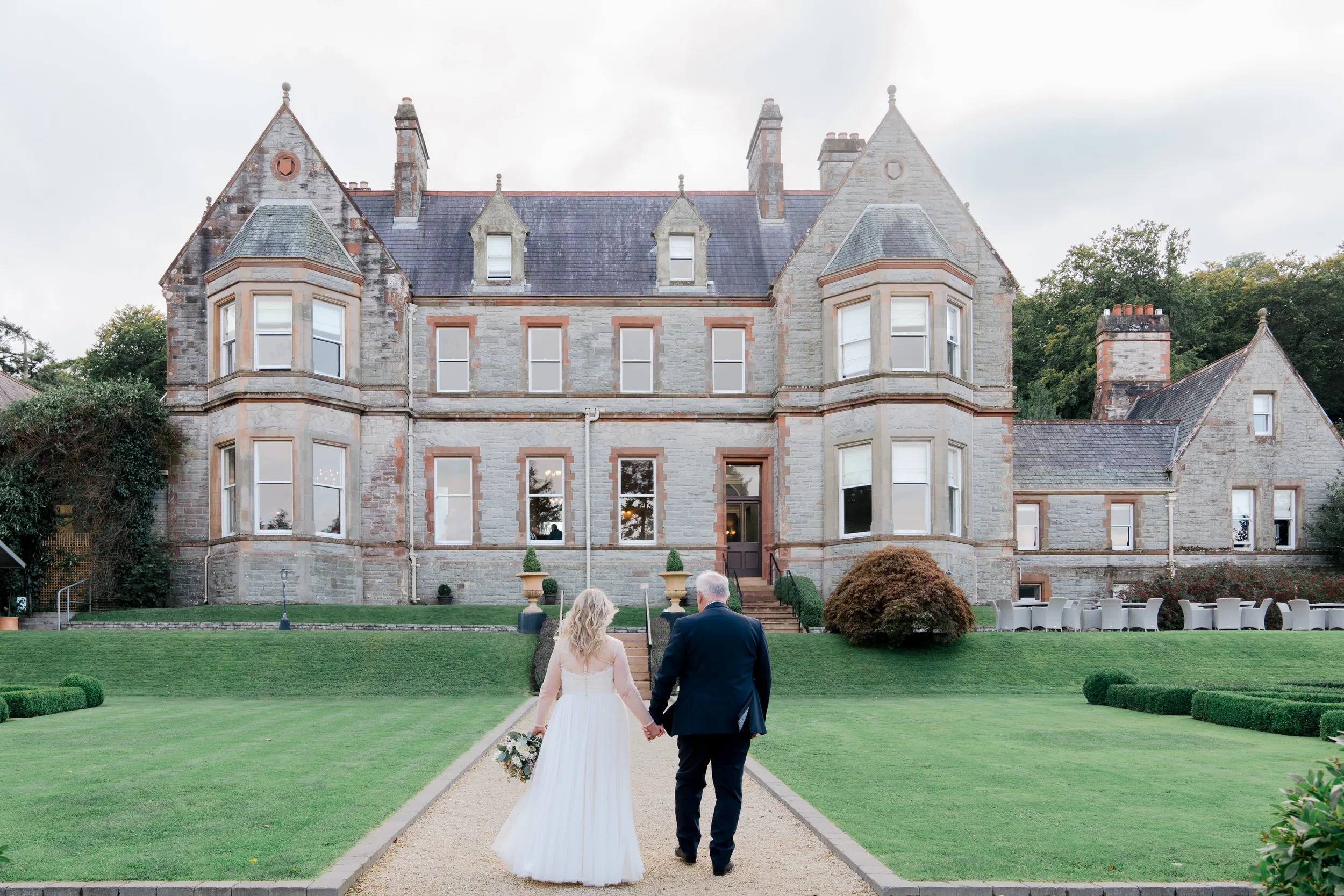
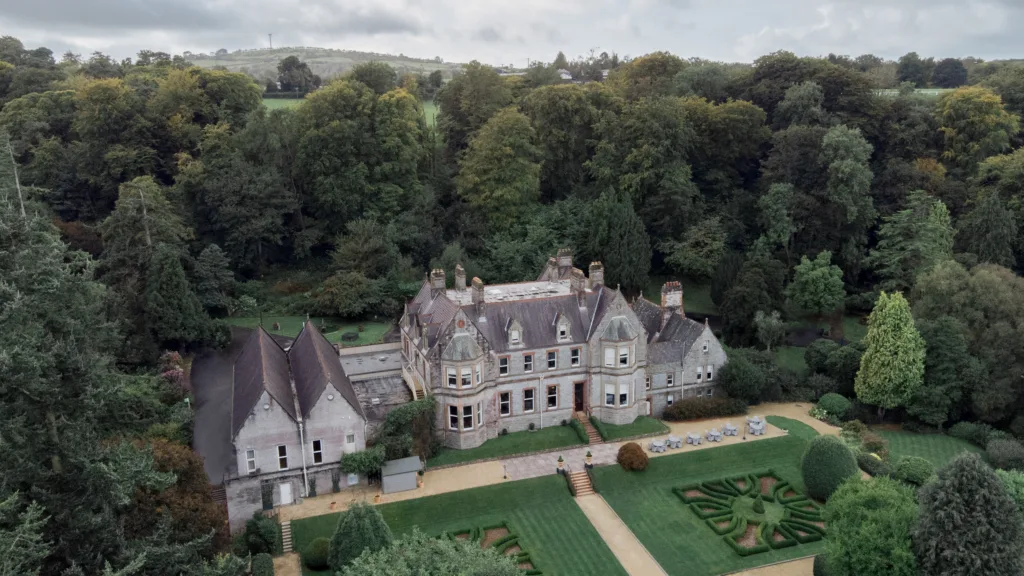
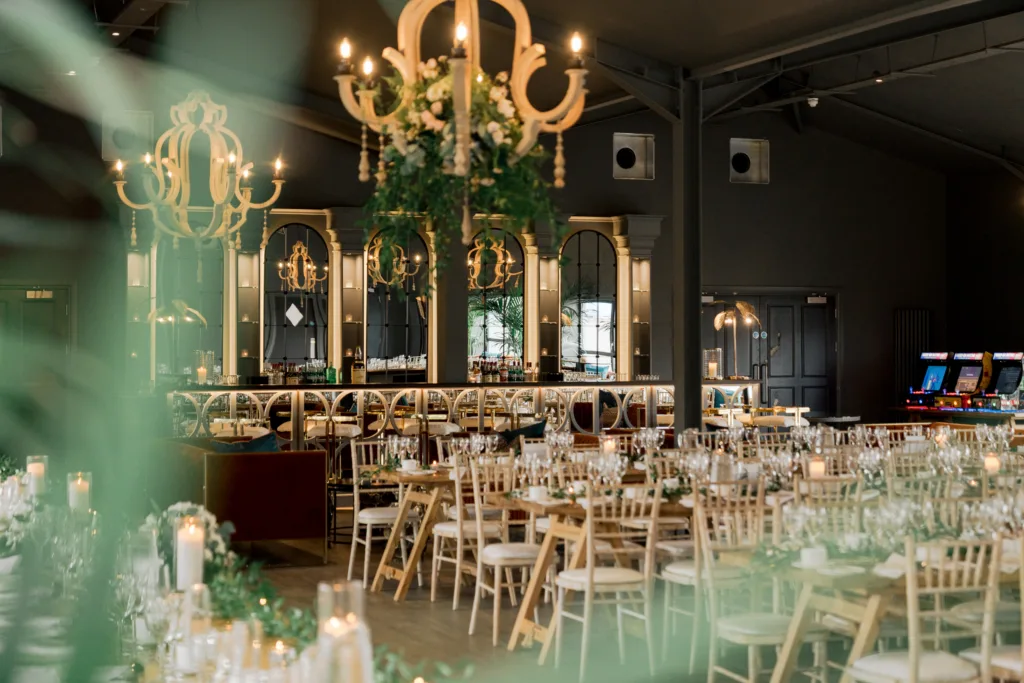
• estate weddings
• country house weddings
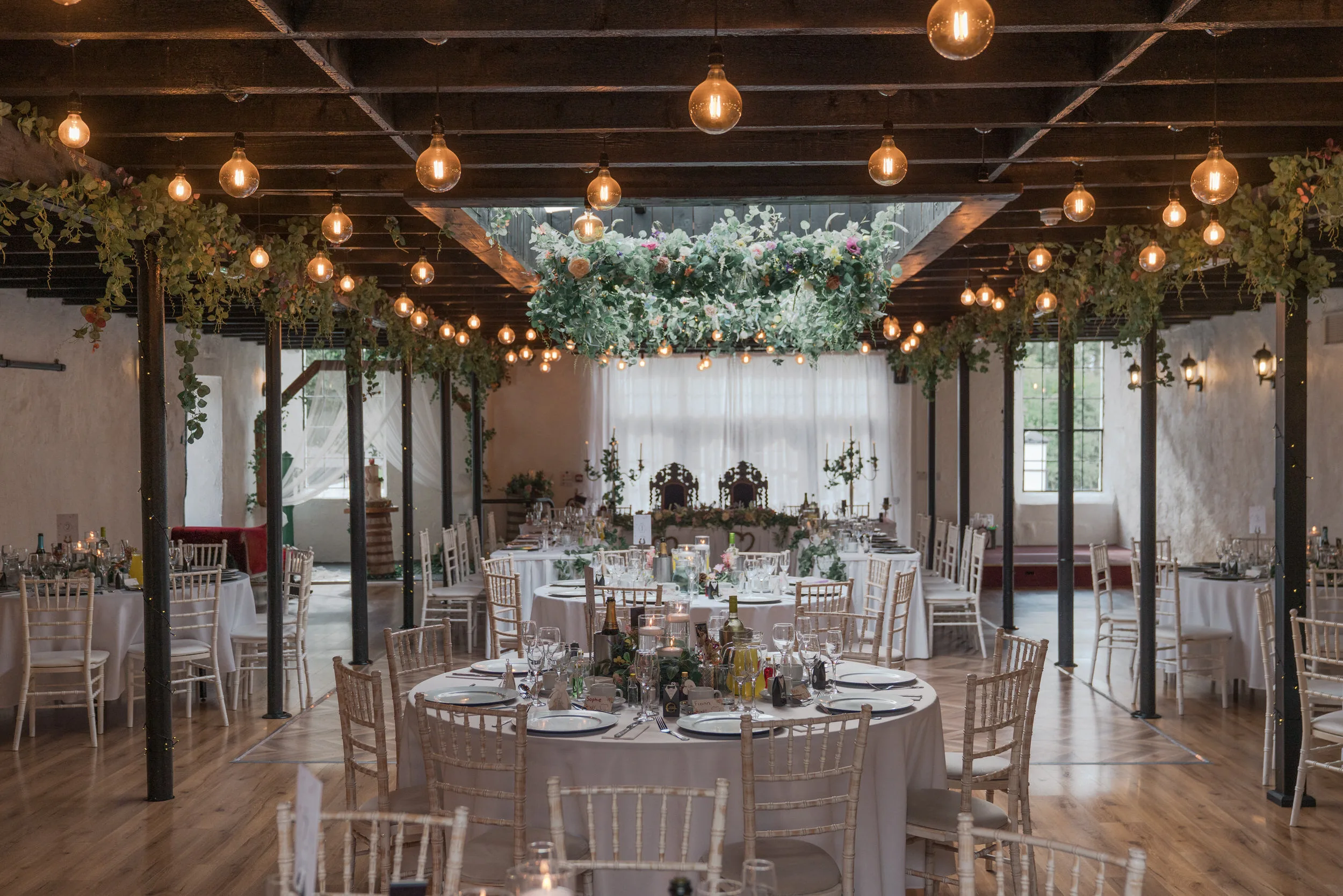
• barn weddings
• woodland ceremonies
• marquee weddings
• outdoor legal ceremonies
• intimate restaurant celebrations
• destination style Irish weddings
Beautiful venues within reach of the Northern Ireland and Ireland border region include:
Estate & Country House Venues
• Castle Leslie Estate
• Bellingham Castle
• Larchfield Estate
•Magheramorne Estate
• Ballyscullion Park
• Tullyveery House
• Cabra Castle
Barn & Rustic Wedding Venues
• Hillmount House
• Seagrave Barn
• Orange Tree House
• Altahammond Wedding Barn
• Kilmore House
Outdoor & Woodland Ceremony Spaces
• Finnebrogue Woods
• Brackengarth
• Beech Hill
• Virginia Park Lodge
• Cloughjordan House
These kinds of venues work beautifully for celebrant-led ceremonies because they allow far more freedom around timing, atmosphere, layout, and ceremony structure.
And honestly, many couples are now intentionally choosing venues that feel less like “wedding packages” and more like experiences.
Friday Weddings Continue To Dominate
The statistics also confirmed something many Irish wedding suppliers already know well:
Friday weddings remain hugely popular.
Traditional Saturday weddings no longer dominate in the same way they once did.
Modern couples increasingly embrace:
• Friday weddings
• Thursday weddings
• multi-day celebrations
• relaxed wedding weekends
• off peak dates
• destination style experiences
For many couples, flexibility matters far more than following traditional wedding expectations.
Couples increasingly want freedom, flexibility, and wedding days that genuinely feel like their own.
Winter Weddings May Quietly Be Growing
Although August still remains Ireland’s busiest wedding month, one particularly interesting trend emerged within the latest figures:
January weddings actually increased slightly despite overall marriage numbers falling.
That may suggest growing interest in:
• winter weddings
• intimate celebrations
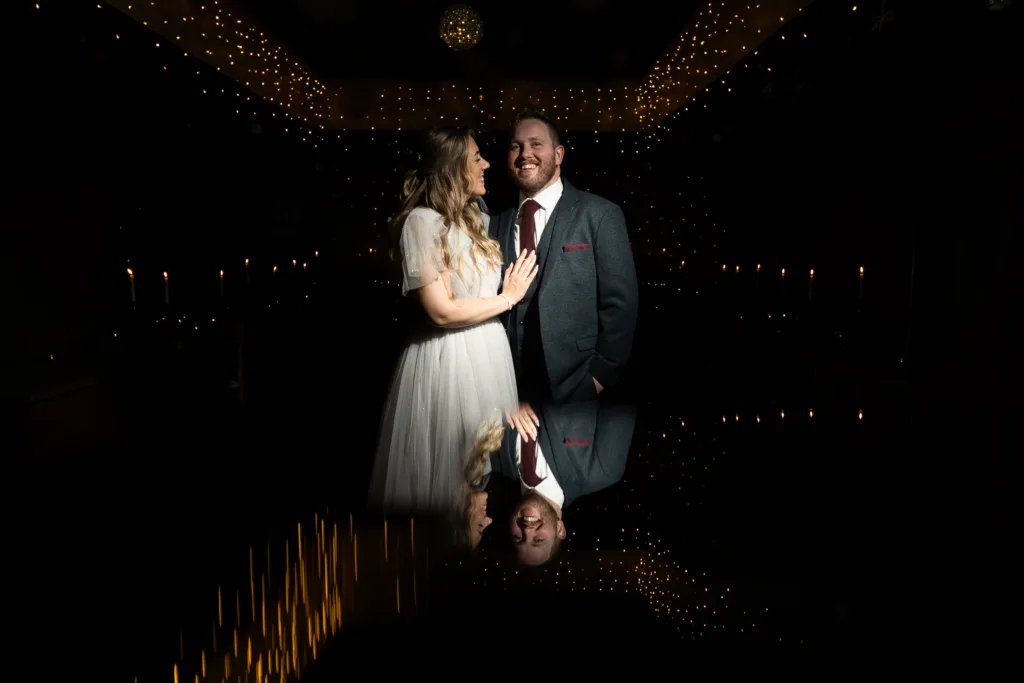
• candlelit ceremonies
• cosy luxury experiences
• off season pricing
• weekday weddings
• smaller guest numbers
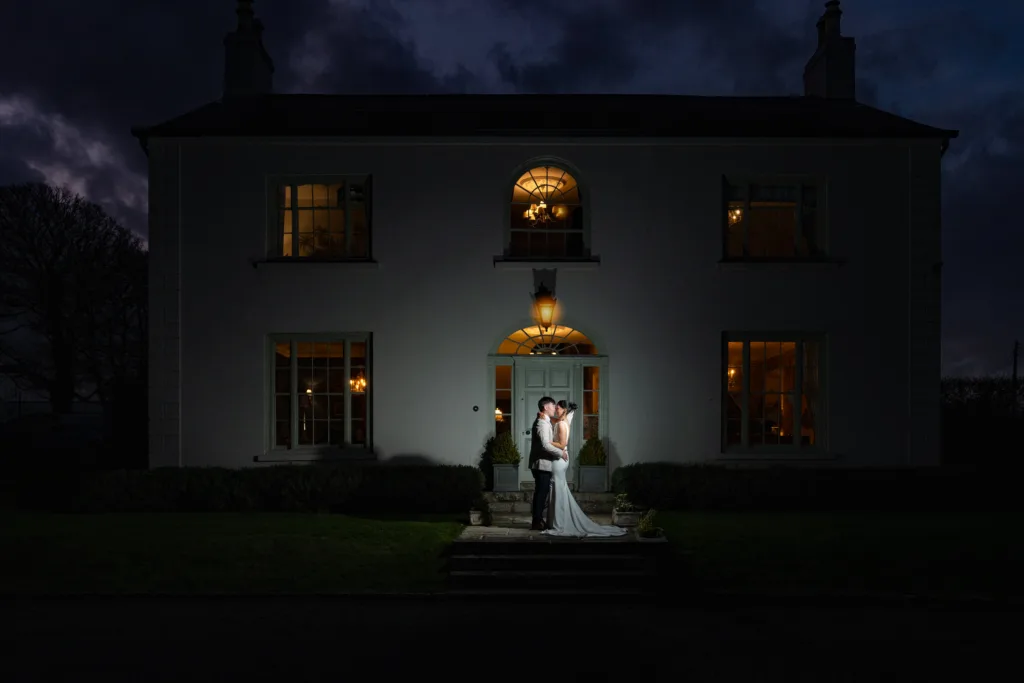
And honestly, winter weddings across Ireland and Northern Ireland can feel incredibly atmospheric.
There’s something beautifully intimate about:
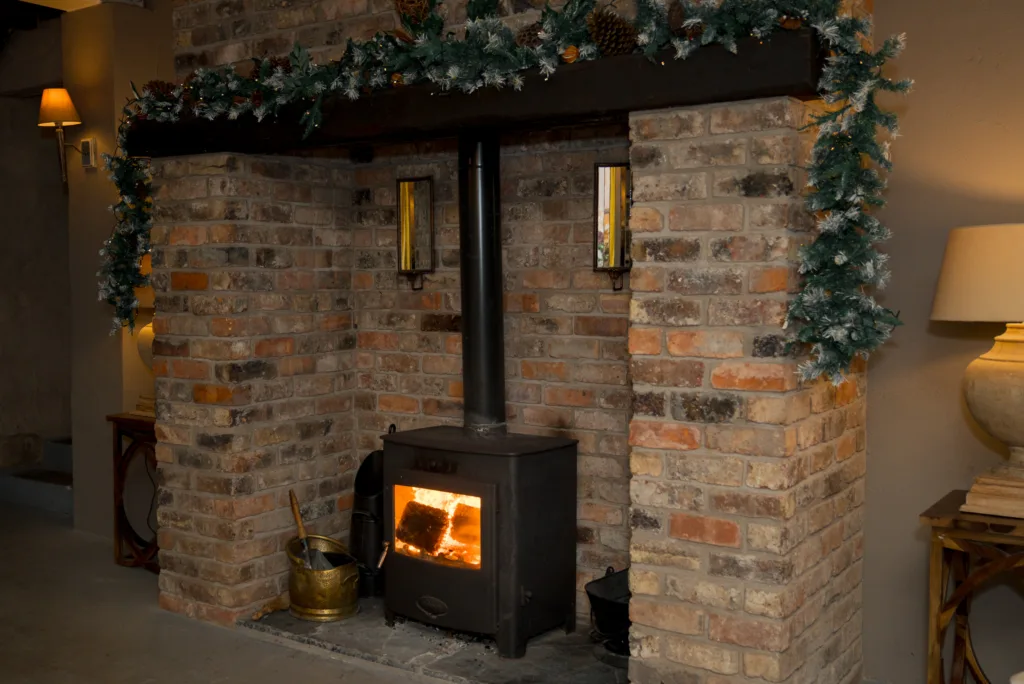
• candlelight
• dark evenings
• roaring fires
• cosy drinks receptions
• emotional indoor ceremonies
that many couples are now actively embracing.
What These Wedding Trends Really Tell Us
The latest marriage statistics across Ireland and Northern Ireland reveal far more than changing numbers.
They reveal changing priorities.
Modern couples increasingly want:
• meaningful experiences
• emotional storytelling
• flexibility
• relaxed celebrations
• personalised ceremonies
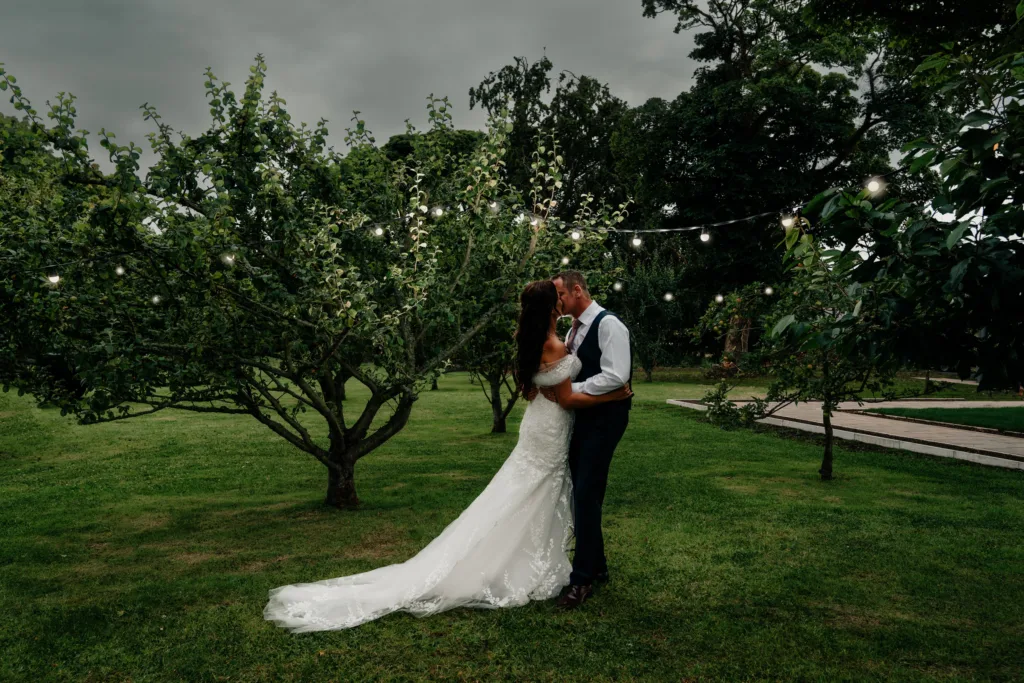
• wedding days that genuinely reflect their relationship
And honestly, I think that’s a really positive shift.
Because weddings should never feel like performances.
They should feel safe.
Personal.
Joyful.
Emotional.
Comfortable.
They should feel like the two people standing at the centre of them.
Planning A Personalised Wedding In Northern Ireland Or Ireland?
Whether you’re dreaming of:
• an outdoor ceremony
• a country house wedding
• a legal celebrant-led ceremony
• a relaxed barn wedding
• a modern civil ceremony
• or something completely unique to you
there has never been more freedom to create a wedding day that genuinely feels like your own.
And honestly?
I think that’s exactly how modern weddings should feel.
The rise of personalised wedding ceremonies in Ireland and Northern Ireland gives modern couples far more freedom to create wedding days that genuinely reflect their relationship.
Yes. Registered solemnisers can legally conduct marriages in Ireland.
Yes. Recent statistics across Ireland show growing demand for personalised, flexible, and non traditional wedding formats.
Yes. Certain celebrants and legal solemnisers are authorised to conduct legal marriages in Northern Ireland.
Of course. The landscape of weddings across NI & Ireland has changed rapidly and it’s hard to keep up at times, even for us experienced wedding suppliers, Please feel free to reach out and we can have a chat.
photography credits: Caroline Smyth Photography & Millie Media NI
Sources & Copyright Information
Marriage statistics and data referenced throughout this article were sourced from:
• Central Statistics Office Ireland (CSO)
• Northern Ireland Statistics & Research Agency (NISRA)